Foundations are the structural interface that transfers building loads to the ground, ensuring stability and longevity. In Akron, Ohio, this category encompasses the design and construction of shallow footings, deep pile systems, and raft/mat foundations, each tailored to specific soil conditions and project requirements. The importance of proper foundation engineering in Akron cannot be overstated: the region's variable geology, including glacial till and clay deposits, demands careful analysis to prevent differential settlement, frost heave, and structural failure. Whether for residential homes, commercial buildings, or industrial facilities, selecting the right foundation type is critical to safety and performance.
Akron sits within the Glaciated Appalachian Plateau, characterized by a complex subsurface profile of glacial till, lacustrine clays, and weathered shale bedrock. The glacial till often contains cobbles and boulders, while the clay layers can exhibit high plasticity and shrink-swell behavior, posing challenges for shallow foundation design. Additionally, the water table in parts of Akron is shallow, requiring dewatering or waterproofing measures. Understanding these local conditions is essential for engineers to recommend appropriate foundation solutions, such as pile foundation design for sites with low bearing capacity or deep compressible soils.
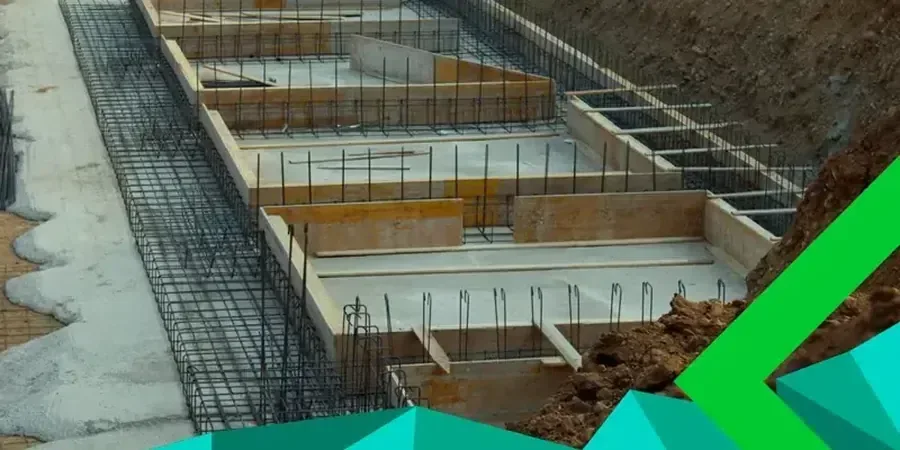
Foundations in Akron must comply with the Ohio Building Code (OBC), which adopts the International Building Code (IBC) with state-specific amendments. Key provisions include minimum footing depths for frost protection (typically 36 inches below grade), allowable soil bearing pressures based on geotechnical investigation, and requirements for seismic design in accordance with IBC Seismic Design Category. For deep foundations, the OBC mandates load testing and inspection protocols. Adherence to these regulations ensures that foundations withstand local environmental loads and soil behavior.
Projects requiring foundation engineering in Akron range from single-family homes and multi-story apartment complexes to bridges, retaining walls, and industrial warehouses. For example, a new commercial development on soft clay near the Cuyahoga River might need a raft/mat foundation design to distribute loads evenly, while a hillside residential site with shallow bedrock could benefit from spread footings. Renovations of historic structures, such as those in the Highland Square neighborhood, often require underpinning or deep foundations to address settlement issues.
Questions and answers
What are the most common foundation types used in Akron, Ohio?
In Akron, shallow foundations such as spread footings are common for light structures on competent soil, while deep foundations like driven piles or drilled shafts are used where glacial till or clay layers have low bearing capacity. Raft/mat foundations are applied for heavy commercial buildings on compressible soils.
How deep must foundations be in Akron to avoid frost damage?
Per the Ohio Building Code, foundations in Akron must extend at least 36 inches below grade to prevent frost heave. This depth accounts for local frost penetration and protects shallow footings from seasonal soil movement, especially in clay-rich areas.
Do I need a geotechnical investigation for a foundation project in Akron?
Yes, a geotechnical investigation is strongly recommended and often required by code. It assesses soil bearing capacity, groundwater levels, and potential hazards like shrink-swell clays or buried boulders, guiding the selection of appropriate foundation solutions for safety and performance.
What local soil conditions in Akron pose challenges for foundation design?
Akron's glacial till contains cobbles and boulders that complicate excavation and pile driving. High-plasticity clays can expand and contract with moisture changes, leading to differential movement. A shallow water table may require dewatering, and weathered shale bedrock can vary in depth across a site.